
Ty Matthews
Custom World Cup Cleats
Project Overview
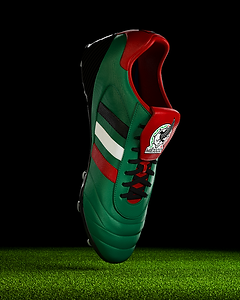
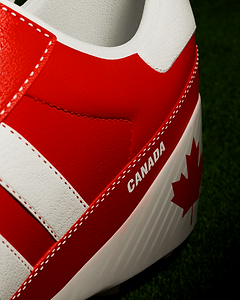
To combine my passion for soccer and 3D design, I created a collection of 15 custom World Cup-inspired cleats in preparation for the 2026 FIFA World Cup. Each concept was designed from the ground up, drawing inspiration from the culture, colors, and identity of different nations while showcasing my skills in 3D modeling, material design, and photorealistic rendering. This project allowed me to explore creative storytelling through product design and celebrate the global spirit of the world's biggest soccer tournament.












Reference
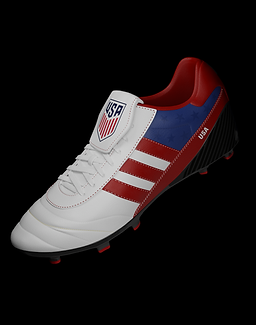
For inspiration, I studied a variety of vintage leather soccer cleats, with a particular focus on classic Adidas designs. I then used AI-assisted ideation to explore and generate unique colorways tailored to each of the 15 countries featured in the project, helping guide the creative direction for each custom cleat concept.


3D Modeling
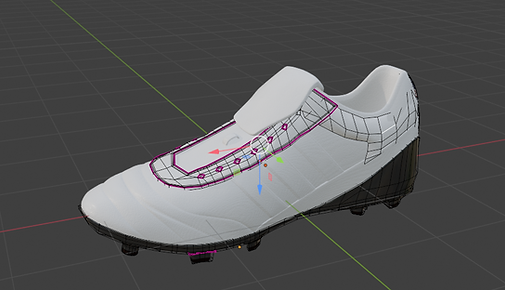
The 3D modeling process kicks off with the sole and studs. From there, you build out the base upper, aligning your topology directly to the silhouette reference images. Once that underlying foundational shape is locked in, I layered the individual panels, overlays, and structural details right on top of it to give the cleat its final depth and complexity.




Materials
To showcase all 15 national teams, I built a custom procedural material library featuring a detailed base leather upper and a sleek plastic soleplate. This allowed me to dynamically swap colorways to match each country’s branding, ensuring total visual consistency across the entire 90-render collection.

Decals, Patches & Stitches
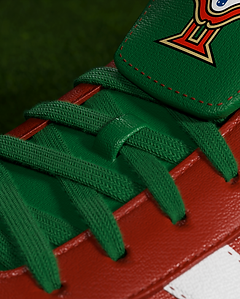
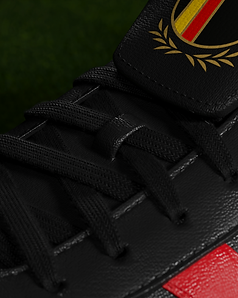
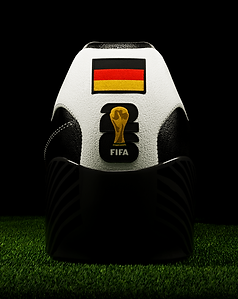
To pull the branding together, flat graphic elements and patches were organized onto a single, comprehensive decal sheet and seamlessly conformed to the shoe's curved leather surface. Using a lattice modifier, these graphics—including the tongue emblem and the 2026 FIFA World Cup heel patch—were precisely distorted to hug the silhouette without stretching the textures. To complement these graphics, the physical stitching lines flowing along the structural panels were created by aligning an array modifier to a Bézier curve path, ensuring perfectly spaced, realistic seams that naturally follow the contours of the footwear.


Particles
A hair particle system was used to bring organic realism to the scene, generating fine strands across multiple assets to add tactile texture to the shoe laces, patch fabric, and grass


Lighting
For the lighting, I add a key light to hit the majority of the shoe, followed by fill and rim lights along with a bounce plane to help make the cleat pop. Here’s a lighting diagram showing the setup for one of the shots, and you can see how each light affects the scene.



Rim
Key
Bounce